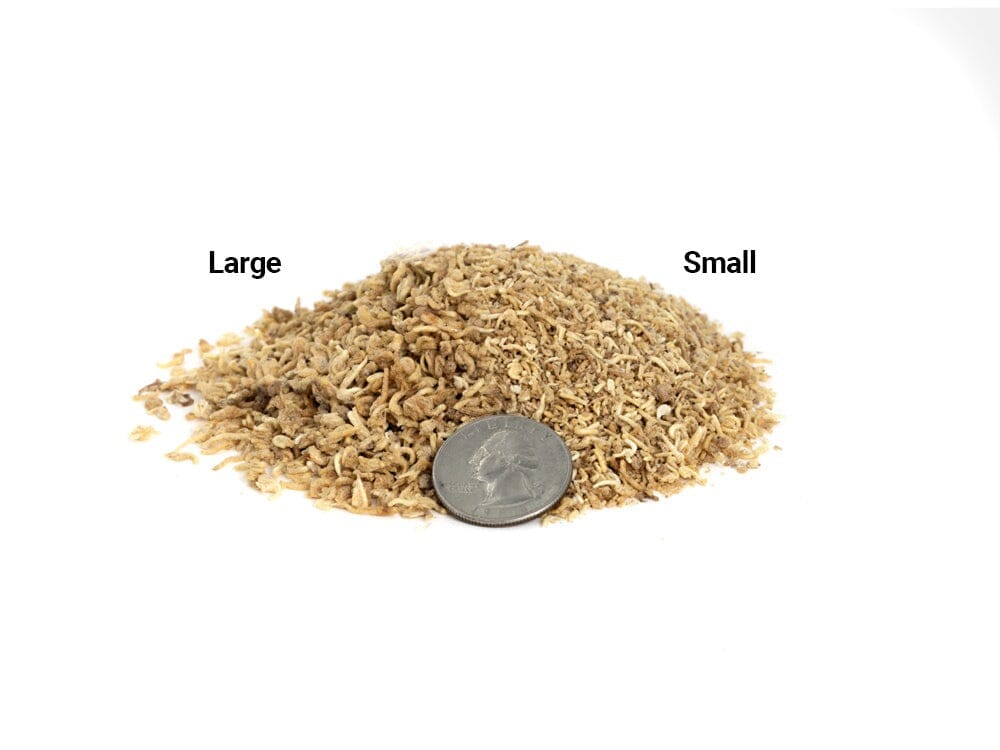
Freeze Dried Mysis Shrimp
Freeze-dried mysis shrimp are small freshwater shrimp (often called “opossum shrimp”) that have been preserved to retain nutrients while being shelf-stable. A protein-focused diet for feeder insects and isopods. They’re also a high-protein, highly palatable food used across aquatics and some reptile/amphibian setups.
What they’re good for
- Fish: Great for bettas, guppies, tetras, cichlids, and many marine species
- Amphibians: Frogs/newts will take them readily
- Reptiles (occasionally): Small aquatic or semi-aquatic species
- Isopods
Nutritional profile (typical)
- Protein: ~60–70%
- Fat: ~8–12%
- Fiber/Ash: low
- Naturally rich in omega fatty acids → supports coloration and growth
More Images
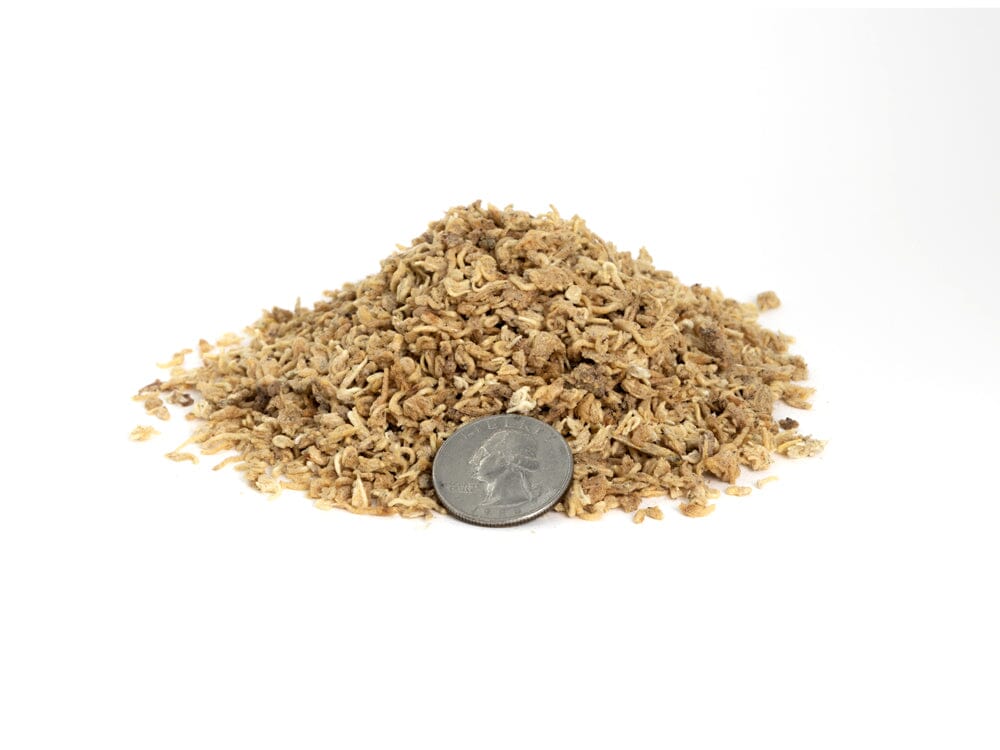
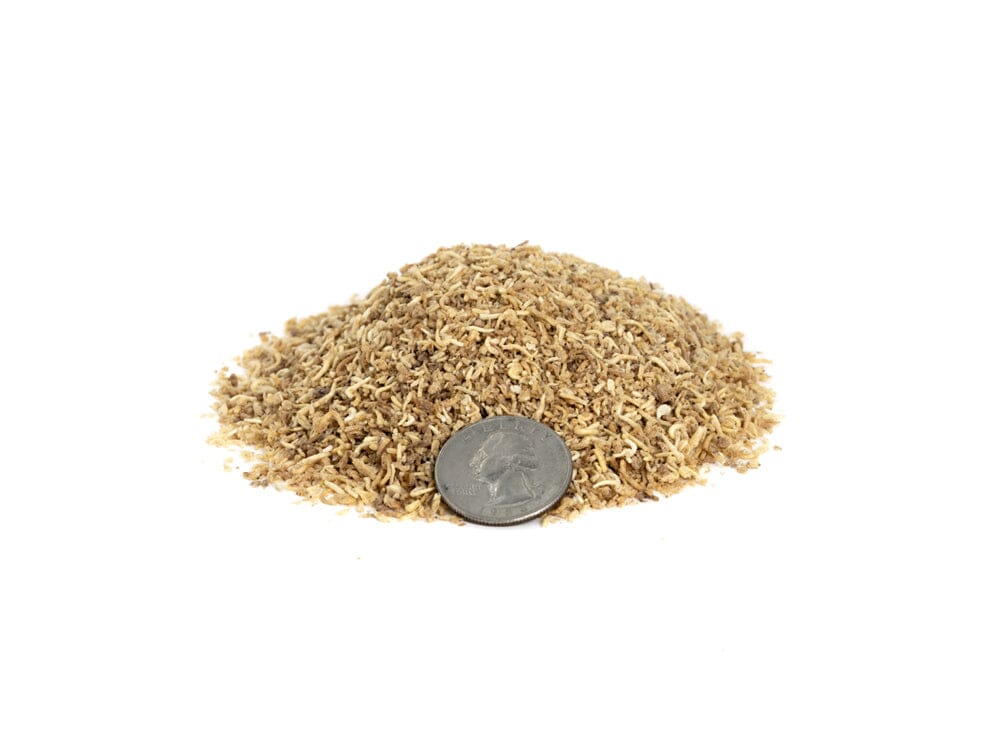
Freeze Dried Mysis Shrimp
Freeze-dried mysis shrimp are small freshwater shrimp (often called “opossum shrimp”) that have been preserved to retain nutrients while being shelf-stable. A protein-focused diet for feeder insects and isopods. They’re also a high-protein, highly palatable food used across aquatics and some reptile/amphibian setups.
What they’re good for
- Fish: Great for bettas, guppies, tetras, cichlids, and many marine species
- Amphibians: Frogs/newts will take them readily
- Reptiles (occasionally): Small aquatic or semi-aquatic species
- Isopods
Nutritional profile (typical)
- Protein: ~60–70%
- Fat: ~8–12%
- Fiber/Ash: low
- Naturally rich in omega fatty acids → supports coloration and growth
Product Information
Product Information
Shipping & Returns
Shipping & Returns
Description
Freeze-dried mysis shrimp are small freshwater shrimp (often called “opossum shrimp”) that have been preserved to retain nutrients while being shelf-stable. A protein-focused diet for feeder insects and isopods. They’re also a high-protein, highly palatable food used across aquatics and some reptile/amphibian setups.
What they’re good for
- Fish: Great for bettas, guppies, tetras, cichlids, and many marine species
- Amphibians: Frogs/newts will take them readily
- Reptiles (occasionally): Small aquatic or semi-aquatic species
- Isopods
Nutritional profile (typical)
- Protein: ~60–70%
- Fat: ~8–12%
- Fiber/Ash: low
- Naturally rich in omega fatty acids → supports coloration and growth